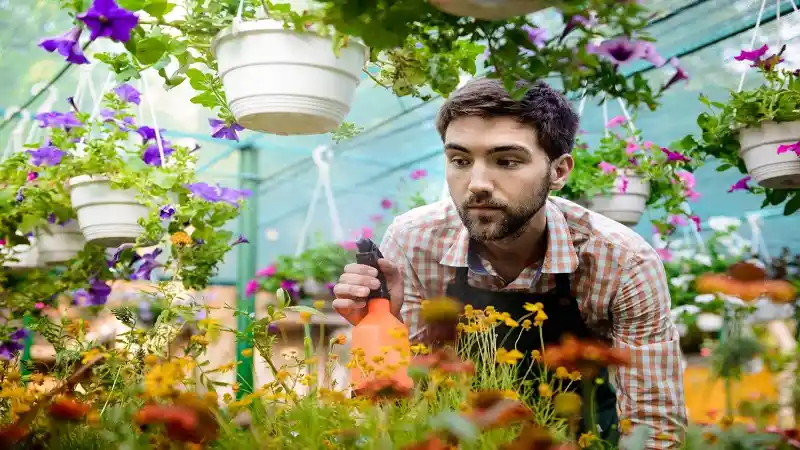
Every gardener has a story. It usually starts with a bank holiday weekend, a trip to the garden centre, and an alarming amount of confidence. Then, somewhere between the checkout queue and the first frost, things go sideways.
The good news is that most of these mistakes are fixable, and you’re definitely not the first person to make them.
1. Planting the Wrong Specimens
This is where most garden improvement projects take a turn, and it always happens with the best of intentions.
You spot an exotic-looking shrub, a climber that promises to hide your fence in three seasons, or a towering ornamental grass that looks brilliant in the display bed. So, you buy it and plant it, thinking it’ll solve all your problems.
But then, you spend the next decade either desperately coming up with ways to keep it alive or trying to get rid of it completely.
Some plants are sold in the UK without nearly enough warning. Japanese knotweed is the biggest example—a plant so aggressively territorial that mortgage lenders have opinions about it.
On the flip side, you might fall for plants that look great but give up the second autumn arrives. If you live in Birmingham, half the plants at your local garden centre have about as much interest in surviving the winter as you do in getting out of bed on a January morning.
So, before you tap your card, check the hardiness rating and the mature size. And if you want to avoid a decade of regret, spend five minutes researching whether that fast-growing shrub spreads by root or seed before you bring it home.
2. Choosing White Garden Furniture
White garden furniture comes with a very specific, beautiful fantasy. You imagine long summer evenings, glasses of cold wine, and a pristine outdoor dining set that looks like it belongs in a Cotswolds holiday cottage brochure.
But then that furniture sits through eight months of rain and ends up looking like something you’d find abandoned behind a service station. You’ll be greeted by green algae, grey streaking, and stains that no amount of scrubbing can fully remove.
Gardens are messy places, and white shows every small stain. Soil, pollen, and ‘gifts’ from local birds all become a problem the second you carry that table outside.
If you want to save yourself the headache, go for pale grey, sage green, or natural wood tones. They’re more forgiving and still look elegant without you needing to clean them every other weekend.
But if you’ve already bought into the white furniture dream, get yourself some UV-resistant covers and a high-quality pressure washer. You’re going to need them.
3. Covering the Space with Artificial Grass
Plastic grass is often sold as the ultimate low-maintenance dream, and it’s easy to see the appeal. Who wouldn’t want a garden with no mowing, no mud, and no dead patches under the kids’ trampoline?
But the reality of living with it is a bit different. It’s one of those garden regrets that professional landscapers see all the time. So, you need to know what you’re getting into before you commit.
For starters, it gets incredibly hot in direct sunlight. During those few weeks each year when the heat gets a bit too much, synthetic turf can reach temperatures that make it uncomfortable to walk on barefoot, let alone let your children or pets play on it.
Let’s not forget about the drainage issues, too. Cheaper installations often sit on compacted surfaces that don’t drain properly, which turns your garden into a shallow paddling pool every time it rains.
You might also find that the cleaning is more involved than anyone tells you upfront. Leaves don’t just compost away, and pet messes don’t disappear into the soil.
If you’re desperate to ditch the mower, go for a clover lawn or some hardy ground-cover plants. You’ll get the green look you want without the boiling plastic smell or the environmental guilt.
4. Spending a Fortune on a Hot Tub
Owning a hot tub is a lot like owning a boat. The best day is when you get one, and the second-best day is when you get rid of it.
We get it. After a stressful week, sinking into bubbling warm water in your own back garden sounds like heaven. But you’ll actually end up stuck in a cycle of testing chemicals, scrubbing filters, and staring at energy bills that make your eyes water.
Heating a giant tub of water through winter can add hundreds of pounds to your bills. And if the pump decides to pack it in? You’ll be looking at repair costs that could have paid for a decent holiday.
That’s why so many homeowners use them enthusiastically for the first summer and then list them on Facebook Marketplace around year three.
If you still want one, make sure you’ve budgeted for the running costs and the chemistry homework required to keep the water safe. However, if that sounds like too much work, a nice outdoor sofa and a fire pit will give you a similar vibe for a fraction of the cost.
5. Wasting Weekends on DIY Patio Projects
Have you ever woken up on a sunny Saturday in April and decided, against all logic, that you can pave an entire patio by yourself before the sun goes down? You watch a couple of videos, rent a plate compactor from HSS, and convince yourself that you can handle it.
But by Sunday evening, you’re more likely to end up with three wobbly slabs, a pulled muscle, and a much deeper respect for professionals.
DIY patio projects often go sideways because people underestimate the groundwork needed to get them right. If you get the slope even slightly wrong, water will pool against your back door every time it rains.
Plus, paving materials are expensive. If a DIY job fails, you’ll end up paying twice: once for the stones you ruined and once for a professional to come in and fix the mess.
By all means, tackle the smaller upgrades like laying gravel paths or setting up raised beds on your own. But for a full patio that needs to stand the test of time? Paying a professional to at least handle the foundations is often your safest bet.
Conclusion
The thread running through all of these mistakes is the same: it’s tempting to go big, go bold, and sort out the details later. But your garden isn’t going anywhere, so you might as well take the time to make decisions you won’t have to fix with a sledgehammer later.
Bottom line: do your research, ask all the questions you need at the garden centre, and maybe leave that hot tub brochure on the shelf for now.