
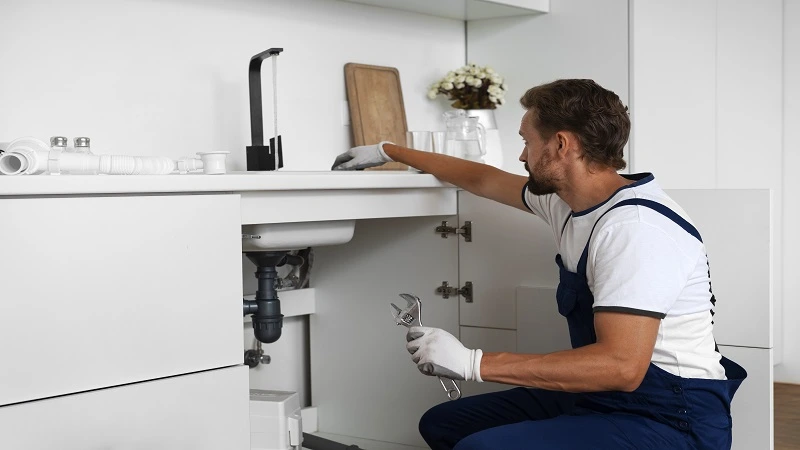
Plumbing is one of the most essential systems in any home, yet it is often overlooked until something goes wrong. From leaking faucets to clogged drains and burst pipes, plumbing issues can quickly turn into expensive problems if not handled properly. The good news is that maintaining an efficient plumbing system does not always require a large budget. With the right knowledge, tools, and preventive strategies, homeowners can implement affordable plumbing solutions that meet every household need.
This comprehensive guide will walk you through cost-effective plumbing practices, DIY solutions, maintenance tips, and smart upgrades to help you save money while keeping your plumbing system in top condition.
Understanding the Importance of Affordable Plumbing
Affordable plumbing is not just about cutting costs—it is about making smart decisions that prevent expensive repairs in the future. Many homeowners spend large amounts of money fixing issues that could have been avoided with simple maintenance.
For example, small leaks or faulty fixtures can waste significant amounts of water over time, increasing utility bills. Even a minor plumbing issue can escalate into major damage if ignored. According to experts, fixing small problems early and maintaining your plumbing system can significantly reduce long-term repair costs.
Affordable plumbing solutions focus on:
- Preventing damage before it happens
- Reducing water and energy consumption
- Using cost-effective tools and materials
- Knowing when to DIY and when to call a professional
Common Plumbing Problems in Homes
Before exploring solutions, it is important to understand common plumbing issues that homeowners face:
1. Leaky Faucets
A dripping faucet may seem minor, but it can waste gallons of water daily and increase your bills.
2. Clogged Drains
Hair, grease, soap, and food particles often block drains, causing slow drainage and backups.
3. Running Toilets
A faulty toilet can continuously waste water, leading to higher utility costs.
4. Low Water Pressure
This can result from mineral buildup, leaks, or faulty fixtures.
5. Pipe Leaks or Bursts
These can cause serious water damage and expensive repairs if not addressed quickly.
Understanding these issues helps you take preventive steps and apply affordable solutions effectively.
Budget-Friendly Plumbing Maintenance Tips
1. Regular Inspections
Routine checks can help identify leaks, corrosion, or blockages early. Scheduling inspections or doing a quick monthly check can save you from costly repairs later.
2. Fix Leaks Immediately
Even a small leak can waste gallons of water every day. Prompt repairs prevent higher water bills and structural damage.
3. Clean Drains Naturally
Instead of expensive chemical cleaners, use a mixture of baking soda and vinegar. This method is affordable, eco-friendly, and safe for pipes.
4. Use Drain Screens
Installing inexpensive drain screens can prevent debris from clogging pipes and reduce the need for costly repairs.
5. Avoid Flushing Non-Flushable Items
Items like wipes, paper towels, and sanitary products can cause serious blockages and plumbing damage.
Affordable DIY Plumbing Solutions
One of the best ways to save money is by handling minor plumbing issues yourself. Here are some simple DIY fixes:
Fixing a Running Toilet
Replacing a toilet flapper is inexpensive and can stop water wastage quickly.
Unclogging Drains
Use a plunger or a natural cleaning solution instead of calling a plumber for minor clogs.
Sealing Small Leaks
Epoxy putty can provide a temporary fix for small pipe leaks until a permanent repair is possible.
Cleaning Showerheads
Mineral buildup can reduce water pressure. Soaking the showerhead in vinegar can restore proper flow and efficiency.
DIY solutions are effective for minor issues, but always assess whether the problem requires professional expertise.
Water-Saving Plumbing Upgrades
Upgrading your fixtures is a smart investment that reduces water usage and lowers utility bills.
1. Low-Flow Showerheads
These can reduce water consumption by up to 40% without compromising performance.
2. Low-Flow Toilets
Modern toilets use less water per flush, saving both water and money.
3. Faucet Aerators
A simple and inexpensive device, faucet aerators reduce water flow while maintaining pressure, helping save on water and energy bills.
4. Energy-Efficient Water Heaters
Maintaining or upgrading your water heater improves efficiency and reduces energy costs.
These upgrades may require a small upfront investment but offer long-term savings.
Preventive Measures to Avoid Costly Repairs
Prevention is always more affordable than repair. Here are key preventive strategies:
Insulate Pipes
Insulating pipes protects them from freezing and bursting during cold weather, preventing expensive damage.
Maintain Water Heater
Regular cleaning and maintenance improve efficiency and extend the lifespan of your system.
Monitor Water Usage
Keeping track of your water consumption helps identify leaks or unusual usage patterns early.
Install Leak Detection Systems
Modern leak detectors can alert you to issues before they become major problems, saving money on repairs.
Seasonal Plumbing Care
Different seasons bring different plumbing challenges. Taking seasonal precautions can help you avoid unexpected expenses.
Winter
- Insulate pipes to prevent freezing
- Let faucets drip in extremely cold weather
- Keep indoor temperatures stable
Frozen pipes can burst and cause significant damage if not managed properly.
Summer
- Check outdoor faucets and hoses
- Inspect irrigation systems
- Monitor water usage
Rainy Season
-
Ensure proper drainage
-
Check for leaks and blockages
When to Call a Professional Plumber
While DIY solutions can save money, some situations require professional expertise:
- Major pipe leaks or bursts
- Sewer line issues
- Installation of new plumbing systems
- Persistent low water pressure
Hiring a professional at the right time can prevent further damage and reduce overall costs.
Cost-Saving Habits for Homeowners
Developing simple habits can significantly reduce plumbing expenses:
- Turn off taps when not in use
- Take shorter showers
- Avoid pouring grease down the drain
- Regularly check for leaks
- Educate family members about proper plumbing use
Small daily actions can lead to big savings over time.
Smart Plumbing Technologies
Technology is making plumbing more efficient and affordable:
- Smart leak detectors
- Water usage monitoring apps
- Automatic shut-off valves
These innovations help homeowners detect issues early and manage water usage efficiently, reducing both waste and costs.
Long-Term Benefits of Affordable Plumbing
Investing in affordable plumbing solutions offers several long-term benefits:
- Lower water and energy bills
- Reduced repair costs
- Increased property value
- Improved home efficiency
- Environmental conservation
By focusing on prevention and efficiency, homeowners can enjoy a reliable plumbing system without overspending.
Conclusion
Affordable plumbing solutions are not about cutting corners—they are about making smart, informed decisions that protect your home and your budget. From simple DIY fixes and regular maintenance to water-saving upgrades and modern technology, there are countless ways to manage your plumbing system efficiently without spending a fortune.
The key is consistency. Regular inspections, timely repairs, and smart usage habits can prevent major issues and ensure your plumbing system remains in excellent condition for years to come.
By following the strategies outlined in this guide, you can create a cost-effective, efficient, and reliable plumbing system that meets every home need—without breaking the bank.