
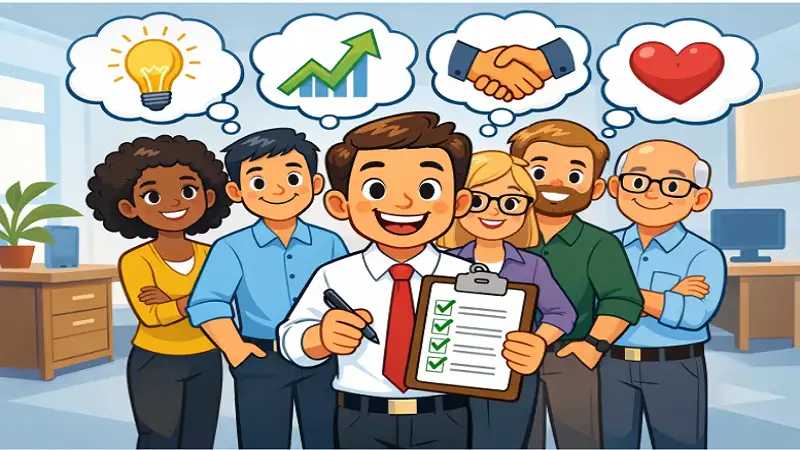
In today’s dynamic business environment, Human Capital Management (HCM) has emerged as a critical factor in achieving sustainable workplace success. As organizations strive to attract, retain, and develop top talent, understanding how HCM shapes operational outcomes becomes increasingly important. For a comprehensive overview of the topic, including its importance and methods, consider reading Human Capital Management (HCM) Explained. This article explores the ways effective HCM strategies can boost employee satisfaction and drive organizational performance to new heights.
The growing focus on managing human capital is a response to the ever-shifting needs of the workforce and the intense competition for skills. As companies recognize that people are their most valuable asset, they are investing more in creating systems and processes that nurture employee growth while aligning HR practices with strategic business goals. By prioritizing these aspects, organizations build strong foundations for long-term success and innovation. In the global economy, businesses that strategically invest in their workforce see clear advantages in adaptability, productivity, and resilience.
Leaders are realizing that a robust HCM strategy bridges the gap between business objectives and the evolving employee experience. This involves not only optimizing recruitment and development but also creating an environment where people feel valued, motivated, and empowered to deliver their best work. Effective HCM can ultimately become a sustainable competitive advantage, fueling organizational growth and operational excellence.
Understanding Human Capital Management
Human Capital Management encompasses the strategic approach organizations use to recruit, manage, develop, and optimize their people. It covers a wide array of personnel processes, from hiring and onboarding to learning, performance evaluation, and succession planning. At its core, HCM is about aligning workforce capabilities with long-term business objectives by fostering a culture that engages and motivates employees to perform at their best. By systematically investing in skill development, organizations can foster a climate where innovation flourishes, and employees can reach their true potential.
The Link Between HCM and Organizational Success
There is robust evidence connecting effective HCM practices with superior outcomes in employee engagement, retention, and productivity. Companies with strong HCM frameworks tend to outperform competitors, especially during periods of economic uncertainty or market change. As highlighted by The Conference Board, organizations that prioritize HCM are better equipped for sustained success, creating environments where both individuals and teams thrive. This clear relationship makes a compelling business case for continued investment in comprehensive, adaptive HCM strategies, ensuring the workforce remains agile, driven, and ready to meet new challenges as they arise in today’s fast-paced world.
Key Components of Effective HCM
Developing a successful HCM strategy requires attention to several fundamental components:
- Talent Acquisition: Proactively seeking and attracting high-caliber individuals who align with the organization’s vision and values.
- Employee Development: Offering ongoing learning opportunities, mentorship, and career progression to support skill enhancement and professional growth.
- Performance Management: Creating transparent processes for setting goals, providing timely feedback, and recognizing achievements.
- Compensation and Benefits: Designing competitive rewards packages that help attract and retain top talent.
- Workforce Planning: Building strategies to anticipate future workforce needs, close skills gaps, and adapt to changing market demands.
The Role of Leadership in HCM
Leadership commitment is essential for HCM initiatives to succeed. Effective leaders not only support but also drive development programs, cultivate a positive workplace culture, and ensure HCM strategies align with business objectives. According to recent findings from the Society for Human Resource Management (SHRM), over half of employees may consider leaving employers who do not meet their evolving needs, highlighting the importance of combining technological advances with personal leadership. Balancing digital tools and a human-centric leadership approach will be especially important in the years ahead. By modeling openness, continuous learning, and empathy, leaders foster a workplace environment that attracts skilled professionals, empowers existing employees, and delivers enduring results through trust and collaboration.
Integrating Technology into HCM
Technological innovation has transformed HCM, leading to more efficient HR processes and improved decision-making. Cloud-based platforms streamline everything from recruitment to employee self-service, making HR data accessible and actionable. Research from Deloitte has shown that companies using advanced HCM tools can significantly improve both the employee experience and business outcomes by leveraging real-time analytics and automation. Learn about technology and human capital trends. Modern HCM software not only reduces administrative overhead but also provides valuable insights, helping leaders make more strategic decisions and respond proactively to workforce trends and opportunities.
Measuring the Impact of HCM
Organizations must regularly evaluate their HCM efforts by tracking metrics such as turnover rates, engagement scores, internal mobility, and time-to-fill. Other useful indicators include training participation rates and productivity metrics. Monitoring these data points enables organizations to pinpoint areas for improvement, develop targeted interventions, and adjust strategies as needed to maximize both employee and organizational success. By embracing a data-driven mindset, organizations can react more swiftly to evolving workforce dynamics and build resilience against future disruptions.
Challenges in Implementing HCM Strategies
Implementing effective HCM strategies comes with several challenges. Resistance to change, insufficient integration with existing systems, and data privacy concerns are common hurdles. Additionally, aligning HCM initiatives with overall business goals requires ongoing communication, transparent leadership, and a willingness to adapt. Addressing these issues demands careful planning, investment in technology, and regular review of HR policies to ensure they support long-term objectives. Organizations must recognize that building effective HCM is an ongoing journey and be open to learning from both failures and successes as they evolve their HR practices.
Future Trends in HCM
The future of HCM promises greater emphasis on employee well-being, holistic benefits, and personalized development experiences. Driven by data, organizations will increasingly rely on analytics to anticipate workforce trends and address challenges proactively. Artificial intelligence will play a larger role in streamlining HR operations while freeing leaders to focus on relationship-building and employee experience. Staying alert to these developments will help businesses keep pace with workforce expectations and remain competitive in the evolving job market. For ongoing insights into HR trends and best practices, visit SHRM’s HR News. As the workforce continues to change and new technologies emerge, ongoing adaptation will define future-ready organizations that flourish amid uncertainty.
Human Capital Management is more than a set of HR functions; it is a comprehensive framework for aligning people strategies with business imperatives. Organizations that commit to effective HCM can achieve higher levels of employee satisfaction, organizational agility, and long-term success in a constantly changing business landscape.
Conclusion
Human Capital Management (HCM) plays a vital role in aligning people strategies with broader organizational goals, ultimately driving long-term business success. By investing in talent acquisition, employee development, performance management, and workforce planning, organizations can build a more engaged, productive, and adaptable workforce. Strong leadership and effective technology integration further enhance HCM outcomes, enabling data-driven decisions and improved employee experiences. Despite challenges such as resistance to change and system integration issues, organizations that prioritize continuous improvement in their HCM strategies are better positioned to remain competitive. As future trends point toward more personalized employee experiences and increased use of AI and analytics, businesses must stay proactive and flexible. Ultimately, effective HCM is not just an HR function, as it is a strategic driver of organizational growth, resilience, and long-term success.