
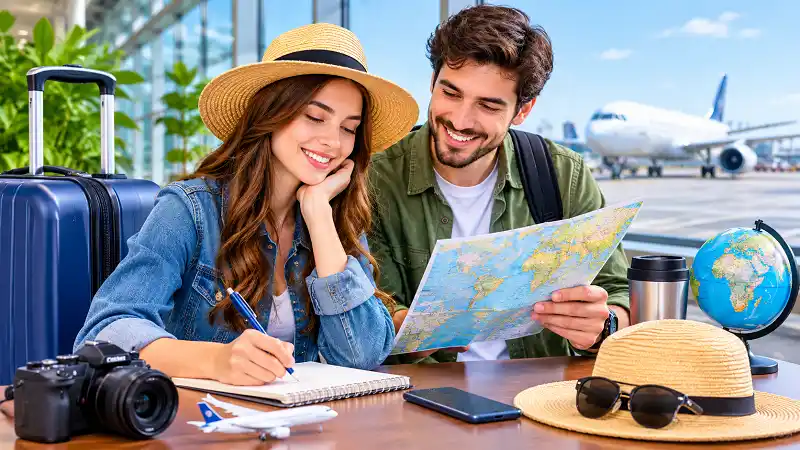
A successful trip begins long before a traveler reaches the destination. Good preparation helps reduce unnecessary stress, manage expenses, and create more opportunities to enjoy new experiences. Whether planning a weekend getaway or a longer international journey, travelers benefit from organizing the important details in advance.
Travel does not have to be expensive or complicated to be memorable. With realistic expectations and a flexible plan, people can explore unfamiliar places while avoiding many common problems.
-
Decide What You Want From the Trip
The first step in planning a trip is understanding what kind of experience you want. Some travelers prefer peaceful surroundings, while others enjoy busy cities, historical attractions, outdoor adventures, or cultural events.
Write down the main reason for traveling. This will help narrow your destination choices and prevent you from filling the schedule with activities that do not match your interests.
For example, someone looking for relaxation may prefer a quiet coastal town rather than a crowded city center. A traveler interested in architecture may want to spend more time visiting museums, historic buildings, and guided walking tours.
-
Set a Realistic Budget
A travel budget should include more than transportation and accommodation. Food, local travel, attraction tickets, communication expenses, and unexpected costs can all affect the final amount.
Start by estimating the major expenses. Then decide how much money should remain available for daily activities.
A simple budget can include:
- Transportation to and from the destination
- Hotel or other accommodation
- Meals and refreshments
- Local transportation
- Tickets and guided activities
- Emergency or unexpected expenses
Comparing several options before booking can help travelers find suitable arrangements without sacrificing comfort.
-
Research the Destination
Learning about a destination before arrival makes travel easier. Research local transportation, weather patterns, common customs, important neighborhoods, and popular attractions.
Check official tourism websites and reliable travel information sources. Look for details about opening hours, entry requirements, and local rules. Information can change, so confirm important details close to your departure date.
It is also useful to understand how people normally travel around the destination. Some cities have efficient public transportation, while others may require taxis or rental vehicles.
-
Organize Important Documents
Travel documents should be prepared well before departure. Depending on the destination, travelers may need identification, passports, visas, tickets, hotel confirmations, travel insurance documents, or other paperwork.
Keep digital copies of important documents in a secure location. It is also sensible to carry necessary physical documents separately from everyday belongings.
Before leaving, check the validity dates of identification and travel documents. A small administrative problem can create major inconvenience if discovered at the airport or border.
-
Pack According to the Destination
Packing becomes easier when travelers consider the weather, planned activities, and length of the trip. Instead of carrying too many items, choose clothing that can be combined in different ways.
Make a checklist before packing. Include clothing, comfortable footwear, personal care items, chargers, necessary medication, and travel accessories.
A small day bag can be useful for carrying water, identification, a phone, and other essentials during sightseeing. Keep valuable items secure and avoid carrying unnecessary belongings.
-
Leave Room for Flexibility
A detailed itinerary can be helpful, but scheduling every hour may make a trip exhausting. Leave some free time for unexpected discoveries, rest, and changes in plans.
A restaurant may be closed, the weather may change, or an interesting local event may take longer than expected. Flexibility allows travelers to adjust without feeling that the entire trip has been ruined.
Choose a few priority activities for each day rather than trying to visit every attraction. A relaxed schedule often creates more enjoyable memories than a rushed checklist.
-
Take Care of Personal Comfort
Long journeys can be tiring, especially when they involve early departures, changing time zones, or extended periods of sitting. Travelers should plan reasonable breaks and make time for meals and rest.
Carry comfortable clothing, drink water regularly, and avoid overloading the schedule immediately after arrival. People with specific dietary or medical needs should plan ahead and bring appropriate supplies.
Some travelers also research general wellness subjects before leaving home. Reading about Gut Health may be one way to explore broader personal wellness information while preparing for a trip. It should be treated as general reading rather than a substitute for individualized medical advice.
-
Respect Local Customs and Communities
Responsible travel includes showing respect for the people and places being visited. Learn a few basic local phrases when possible, follow posted rules, and ask permission before photographing people.
Dress appropriately for religious or cultural sites. Avoid damaging natural areas, disturbing wildlife, or leaving litter behind.
Supporting local businesses can also make a trip more meaningful. Buying from local shops, choosing locally owned restaurants, and joining community-led tours can help travelers connect with the destination.
-
Keep Your Travel Information Organized
Store booking confirmations, addresses, transportation details, and emergency contacts where they can be accessed easily. A simple digital note can prevent confusion when moving between locations.
Download maps or important travel information before entering areas with limited internet access. Keep your phone charged and consider carrying a portable power bank.
It is also useful to share your general itinerary with someone you trust, particularly when traveling alone or visiting unfamiliar areas.
-
Return Home With Useful Lessons
After the trip, take a few minutes to consider what worked well and what could be improved. Perhaps you packed too much, underestimated transportation time, or discovered that booking certain attractions in advance was worthwhile.
Save useful notes for future journeys. Record favorite places, practical travel tips, and expenses that were higher or lower than expected.
Travel planning becomes easier with experience. Each journey provides lessons that can make the next one more organized and enjoyable.
Conclusion
A memorable trip does not depend on visiting the most expensive destination or following a perfect schedule. It comes from thoughtful preparation, realistic budgeting, respect for local communities, and enough flexibility to enjoy unexpected experiences.
By organizing documents, researching destinations, packing carefully, and protecting personal comfort, travelers can reduce avoidable stress. The best plans provide structure without removing the freedom to explore.