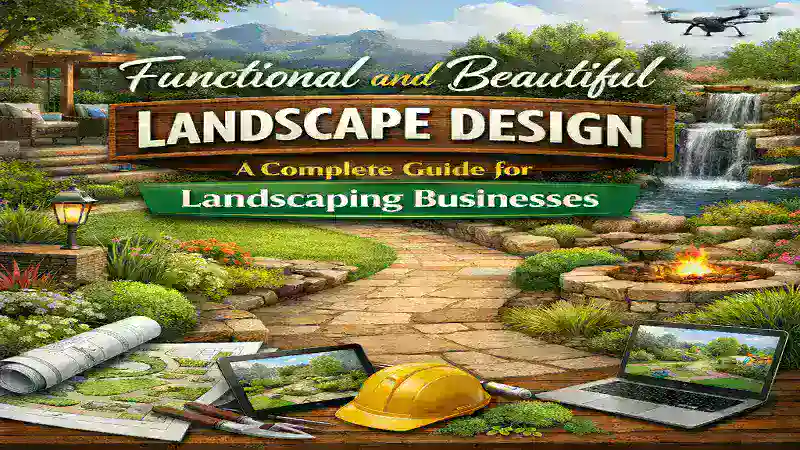
Landscape design is more than simply planting trees and flowers. It is the art and science of creating outdoor spaces that are both visually appealing and highly functional. For landscaping businesses, understanding how to design landscapes that balance beauty with usability is essential for attracting clients, building reputation, and delivering long-lasting results.
This comprehensive guide explains the principles, strategies, and professional techniques landscaping businesses can use to create functional and beautiful landscape designs for residential, commercial, and public spaces.
1. Understanding Landscape Design
Landscape design is the process of planning and arranging outdoor elements such as plants, pathways, water features, lighting, and structures to create a harmonious environment.
A successful landscape design should accomplish three main goals:
- Aesthetic appeal – The space should look attractive and visually balanced.
- Functionality – The area must serve practical purposes such as relaxation, walking, or entertainment.
- Sustainability – The design should support environmental health and require manageable maintenance.
For landscaping businesses, combining these three aspects helps deliver projects that satisfy clients and increase long-term business success.
2. Why Functional Landscape Design Matters for Businesses
Landscaping businesses that focus only on visual beauty often create spaces that are difficult to maintain or use. Functional design ensures that outdoor areas are not just attractive but also practical.
Benefits of Functional Landscape Design
1. Higher Client Satisfaction
Clients want landscapes that enhance their lifestyle. Functional designs provide usable outdoor living spaces.
2. Increased Property Value
Well-planned landscapes can significantly increase residential and commercial property values.
3. Competitive Advantage
Businesses that provide thoughtful, professional design services stand out from competitors.
4. Long-Term Maintenance Efficiency
Functional designs reduce unnecessary maintenance and operational costs.
3. Core Principles of Landscape Design
Professional landscaping businesses follow several design principles to create balanced and appealing landscapes.
Balance
Balance refers to the visual stability of a landscape. There are two types:
- Symmetrical balance – Both sides of the design mirror each other.
- Asymmetrical balance – Different elements create balance without being identical.
Unity
Unity means all elements in the landscape work together as a cohesive whole. Colors, materials, and plant choices should complement each other.
Proportion and Scale
Every element must fit properly within the space. Large trees in small yards can overwhelm the design, while small plants in large spaces may look insignificant.
Rhythm and Repetition
Repeating plants, colors, or shapes helps guide the eye through the landscape and creates harmony.
Focal Points
Focal points draw attention and add character. Examples include:
- Water fountains
- Decorative trees
- Sculptures
- Fire pits
4. Steps to Creating a Functional Landscape Design
Landscaping businesses follow a structured process to create successful designs.
Step 1: Site Analysis
Before designing, professionals evaluate the location.
Important factors include:
- Soil quality
- Sunlight exposure
- Drainage conditions
- Climate and weather patterns
- Existing structures and plants
This analysis helps determine what plants and materials will thrive in the environment.
Step 2: Understanding Client Needs
Every client has unique preferences and goals.
Questions landscaping businesses should ask include:
- How will the space be used?
- Is it for relaxation, entertainment, or aesthetics?
- What maintenance level is acceptable?
- What style does the client prefer?
Understanding these factors ensures the final design matches the client’s lifestyle.
Step 3: Creating a Concept Design
The concept design is the initial layout that outlines the main elements of the landscape.
It may include:
- Walkways
- Lawn areas
- Plant beds
- Seating areas
- Water features
- Lighting
Professional landscape designers often create sketches or digital plans to present ideas to clients.
Step 4: Selecting Plants and Materials
Choosing the right plants and materials is crucial for both beauty and functionality.
Considerations include:
-
Climate compatibility
-
Growth size and shape
-
Seasonal appearance
-
Maintenance requirements
Using native plants is often recommended because they adapt better to local environments and require less water.
Step 5: Implementing the Design
After approval, landscaping teams begin installation.
This stage may involve:
- Land grading
- Soil preparation
- Planting trees and shrubs
- Installing irrigation systems
- Building patios and pathways
- Adding lighting and decorative elements
Proper installation ensures the landscape remains healthy and durable.
5. Key Elements of Functional Landscape Design
A professional landscape includes several important components.
1. Pathways and Walkways
Walkways help organize movement through the outdoor space.
Common materials include:
- Stone
- Brick
- Gravel
- Concrete pavers
Well-designed pathways improve accessibility and add visual interest.
2. Outdoor Living Spaces
Modern landscape design often includes outdoor living areas such as:
- Patios
- Decks
- Fire pits
- Outdoor kitchens
These features increase usability and encourage people to spend more time outdoors.
3. Water Features
Water features add tranquility and beauty to landscapes.
Examples include:
- Fountains
- Ponds
- Waterfalls
- Reflecting pools
They also create soothing sounds that enhance relaxation.
4. Lighting Design
Outdoor lighting improves safety and highlights landscape features.
Types of landscape lighting include:
- Path lights
- Accent lights
- Spotlights
- Garden lights
Proper lighting allows outdoor spaces to remain functional during the evening.
5. Planting Design
Plants are the foundation of landscape beauty.
Professional landscaping businesses use a variety of plants such as:
- Trees for shade and structure
- Shrubs for borders and privacy
- Flowers for color and seasonal interest
- Ground covers for soil protection
Layering plants of different heights creates depth and visual richness.
6. Sustainable Landscaping Practices
Sustainability is becoming increasingly important in modern landscape design.
Landscaping businesses can adopt eco-friendly practices such as:
Water-Efficient Irrigation
Drip irrigation systems deliver water directly to plant roots, reducing waste.
Native Plants
Native plants require less water, fertilizer, and maintenance.
Rainwater Harvesting
Collecting rainwater helps reduce water consumption.
Organic Fertilizers
Using natural fertilizers improves soil health without harmful chemicals.
Sustainable landscapes are both environmentally responsible and cost-effective for clients.
7. Technology in Modern Landscape Design
Technology has transformed the landscaping industry.
Landscaping businesses now use advanced tools such as:
Landscape Design Software
Programs allow designers to create detailed 3D models of outdoor spaces.
Drones
Drones help capture aerial images of properties for accurate planning.
Smart Irrigation Systems
Automated irrigation systems adjust watering based on weather conditions.
Using technology improves efficiency and enhances the client experience.
8. Common Landscape Design Styles
Different clients prefer different landscape styles.
Landscaping businesses should understand various design approaches.
Modern Landscape Design
Features clean lines, minimal plant variety, and geometric shapes.
Traditional Garden Design
Includes symmetrical layouts, classic plants, and decorative features.
Tropical Landscape Design
Uses lush plants, palm trees, and water elements to create a relaxing atmosphere.
Naturalistic Design
Mimics natural ecosystems with flowing shapes and native plants.
Choosing the right style depends on client preferences and the surrounding environment.
9. Marketing Landscape Design Services
For landscaping businesses, effective marketing helps attract new clients.
Build a Portfolio
Showcase completed projects with high-quality photos.
Create an Online Presence
Maintain a professional website and social media profiles.
Offer Free Consultations
Initial consultations help build trust and demonstrate expertise.
Encourage Client Reviews
Positive reviews improve credibility and attract potential customers.
Strong marketing combined with excellent design services leads to steady business growth.
10. Common Mistakes Landscaping Businesses Should Avoid
Even experienced landscapers sometimes make design mistakes.
Common issues include:
Ignoring site conditions
Plants may fail if climate and soil conditions are not considered.
Overcrowding plants
Too many plants can make the landscape look messy and increase maintenance.
Poor drainage planning
Water accumulation can damage plants and structures.
Lack of maintenance planning
Designs should always consider long-term care requirements.
Avoiding these mistakes ensures landscapes remain healthy and beautiful for years.
11. Future Trends in Landscape Design
The landscaping industry continues to evolve with new trends.
Some emerging trends include:
- Smart garden technology
- Eco-friendly materials
- Edible gardens
- Outdoor wellness spaces
- Climate-resilient landscapes
Businesses that stay updated with these trends can provide innovative solutions and remain competitive.
Conclusion
Functional and beautiful landscape design is the foundation of successful landscaping businesses. By combining creative design, practical planning, and sustainable practices, professionals can create outdoor spaces that enhance both property value and quality of life.
From careful site analysis to thoughtful plant selection and modern technology, every step in the design process plays a crucial role in achieving the perfect balance between beauty and functionality.
Landscaping businesses that focus on client needs, environmental responsibility, and high-quality craftsmanship will continue to grow and thrive in the expanding landscape design industry.
A well-designed landscape is not just an outdoor decoration—it is a living, functional environment that brings comfort, beauty, and long-lasting value to any property.