
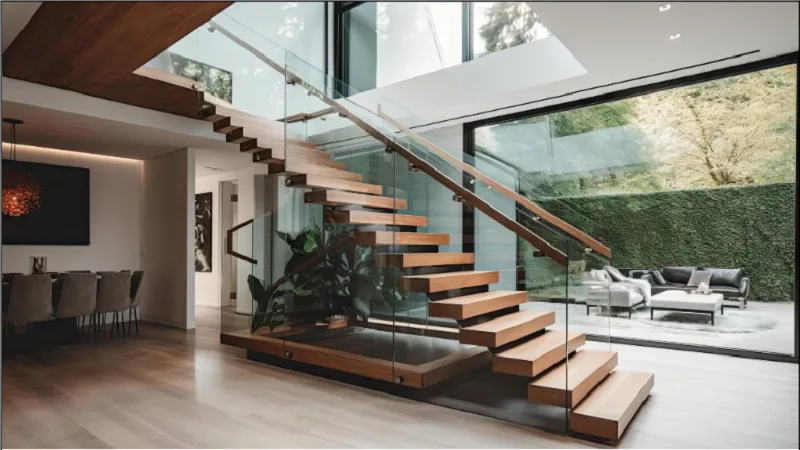
Modern residential architecture is moving towards designs that emphasize openness, natural light, and functional simplicity. Homeowners and architects are increasingly choosing materials that improve the appearance of a property while supporting everyday usability. Glass has become an important part of this shift, particularly in balcony, staircase, and outdoor railing applications.
Modern Glass Railings offer a combination of transparency, durability, and contemporary appeal. Unlike traditional railing systems, they help maintain clear views and create a seamless connection between different areas of a home. From minimalist interiors to spacious outdoor environments, glass railings are influencing how modern residential spaces are designed.
The Growing Popularity of Glass Railings in Modern Homes
Traditional wood and metal railings remain common, but glass systems have become an attractive alternative for contemporary residential projects. Their transparent appearance creates a less restrictive visual environment without eliminating the protective function of a railing.
Glass railings also complement a wide range of architectural materials, including concrete, timber, stone, and stainless steel. This flexibility allows homeowners to incorporate them into both new construction and renovation projects.
Whether installed on a balcony, staircase, or elevated deck, glass provides a clean finish that works particularly well with modern architectural styles.
Creating Open and Spacious Living Areas
One of the biggest advantages of glass railings is their ability to preserve unobstructed views. Traditional railing systems can visually divide spaces, particularly when they feature thick posts or solid panels.
Glass panels create a more open appearance by allowing the surrounding environment to remain visible. This is especially beneficial for balconies and terraces where homeowners want to enjoy outdoor views without visual interruptions.
For smaller residential properties, transparent railing systems can also make balconies and staircases feel less enclosed, helping maintain a spacious atmosphere.
Bringing More Natural Light into Interiors
Natural lighting is an important element of modern home design. Large windows, glass doors, and open floor plans are commonly used to create brighter and more comfortable interiors.
Glass railings complement these features by allowing light to pass through instead of blocking it. When installed along staircases, mezzanines, and upper-floor landings, they help maintain visual continuity throughout the home.
This makes residential glass railings particularly useful in spaces where maintaining brightness and openness is a priority.
Modern Glass Railing Designs for Different Applications
Glass railing systems are available in several styles, making it easier to find an option that complements a property’s architecture.
Frameless glass railings are popular for their minimal appearance. They use specialized mounting systems, such as base channels or stainless steel spigots, to support the panels while keeping visible framing to a minimum. They are commonly used on balconies, decks, and terraces.
Semi-frameless glass railings incorporate visible supporting posts alongside transparent panels. They offer a balance between the openness of glass and the structured appearance of traditional railing systems.
Glass railings with stainless steel hardware combine transparent panels with components such as clamps, brackets, posts, and handrails. This combination creates a refined appearance that complements contemporary and industrial-inspired homes.
The right design depends on the installation area, architectural preferences, and structural requirements.
Transforming Staircases with Glass Railings
Staircases have become important architectural features rather than purely functional elements. Their materials, finishes, and railing designs can significantly influence the appearance of an interior.
Glass railings help create a lighter visual effect while allowing staircase materials to remain visible. For example, glass panels paired with wooden steps create a balance between natural warmth and modern simplicity. Stainless steel handrails can introduce a more contemporary finish.
These systems can also complement floating and open-riser staircases, provided the selected design meets the necessary structural and safety requirements.
Connecting Indoor and Outdoor Spaces
Modern homes increasingly feature outdoor living areas such as balconies, patios, rooftop terraces, and elevated decks. These spaces are often designed as extensions of the main living area.
Glass railings support this approach by providing a protective boundary without visually separating the home from its surroundings. On balconies, they help preserve views, while on decks, they allow landscaping and outdoor features to remain visible.
This makes glass a practical design choice for homeowners who want their indoor and outdoor environments to feel more connected.
Choosing the Right Glass and Hardware
Appearance is only one consideration when selecting a railing system. Glass specifications, supporting hardware, and installation methods are equally important. Tempered and laminated safety glass are commonly used in architectural railing applications. The appropriate option depends on the intended use, structural design, and applicable building requirements.
Hardware also plays an essential role. Stainless steel spigots, glass clamps, mounting brackets, posts, and base channels help secure the panels and support the overall system.
Homeowners should consider glass thickness, mounting compatibility, corrosion resistance, and local building codes before finalizing a design. Professional installation is also important to ensure the system meets the required safety and structural standards.
Maintenance and Long-Term Performance
Glass railings are relatively straightforward to maintain. Regular cleaning helps remove fingerprints, dust, and watermarks, keeping the panels clear and presentable.
Outdoor installations may require more frequent cleaning because of exposure to rain, dirt, and changing weather conditions. Supporting hardware should also be inspected periodically for loose connections, corrosion, or visible wear.
Selecting suitable glass and high-quality hardware from the beginning can help maintain the appearance and functionality of the railing system over time.
A Modern Approach to Residential Architecture
The growing use of glass in residential architecture reflects a broader preference for open layouts, natural lighting, and simple yet functional designs. Glass railing systems support these preferences while offering flexibility across balconies, staircases, decks, and terraces.
For homeowners, builders, and architects exploring these solutions, RF Transparent offers glass railing systems, tempered glass panels, and stainless steel hardware for residential and commercial applications.
By selecting suitable designs and compatible components, it is possible to create railing installations that complement the overall architecture while meeting practical requirements.
Frequently Asked Questions
Why are glass railings popular in modern homes?
Glass railings provide unobstructed views, allow natural light to pass through, and complement contemporary architectural styles. Their versatility makes them suitable for several residential applications.
Are frameless glass railings suitable for balconies?
Yes. Frameless glass railings are commonly used on balconies because they maintain clear views and provide a minimal appearance. Their installation must meet applicable safety and structural requirements.
Which glass is commonly used for residential railings?
Tempered and laminated safety glass are commonly used. The appropriate type and thickness depend on the application, structural specifications, and local building regulations.
Can glass railings be installed on wooden staircases?
Yes. Glass panels can be paired with wooden steps and handrails to create a contemporary appearance while maintaining the natural warmth of wood.
Do glass railing systems require regular maintenance?
Yes. Periodic cleaning helps maintain transparency, while occasional hardware inspections help identify loose fittings, corrosion, or other maintenance concerns.
Are glass railings suitable for outdoor decks?
Yes. Glass railing systems are suitable for outdoor decks, balconies, and terraces when the glass, hardware, and mounting systems are selected for the environmental and structural requirements.
What hardware is needed for glass railing installation?
Depending on the design, installation may require stainless steel spigots, clamps, brackets, posts, base channels, and handrails. All components should be compatible with the selected glass system.