
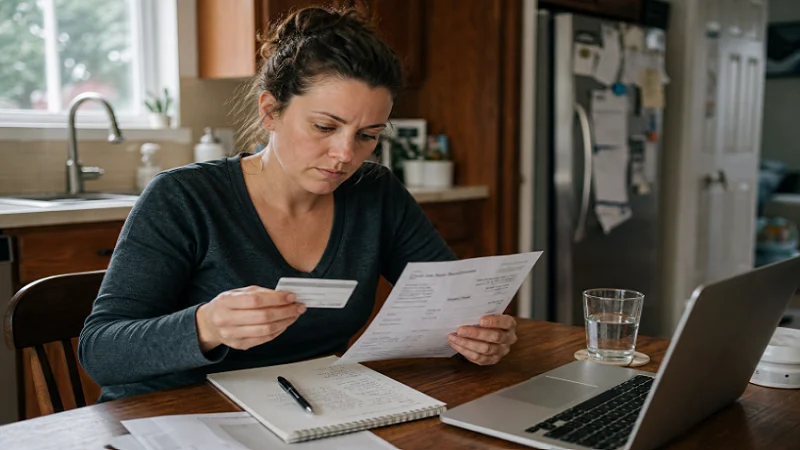
Dental care is easier to manage when it has a place in the household budget before an appointment becomes urgent. Start by reviewing the coverage information available at https://www1.deltadentalins.com/ or from your employer, insurer, or dental office, then build a plan around your expected costs.
A useful dental budget accounts for routine appointments, home-care supplies, insurance cost sharing, and a small reserve for the unexpected. The goal is not to predict every future procedure. It is to make informed choices, avoid surprise bills where possible, and keep recommended care from becoming harder to schedule.
Why Dental Care Belongs in the Monthly Budget
It helps to treat dental care as a regular health expense rather than an emergency-only expense. Planning for exams, cleanings, toothpaste, floss, and possible follow-up care can be less stressful than trying to absorb a large bill with no preparation. In the United States, national dental expenditures reached $189 billion in 2024, underscoring the significance of dental spending for households, insurers, and public programs. The American Dental Association tracks national dental expenditures using federal health spending data.
For example, a person might set aside a manageable amount every month for anticipated visits and supplies. If no treatment is needed, that money can remain available for future care. If a filling, repair, or additional cleaning is recommended, the reserve may reduce the need to rearrange the entire monthly budget.
Know the Main Types of Dental Costs
Separating dental spending into categories makes it easier to estimate what may be coming. Your dentist can help explain which services are recommended now, which may need monitoring, and which may be appropriate to schedule later.
- Preventive care: Exams, cleanings, X-rays, fluoride treatments, and sealants when recommended.
- Basic treatment: Fillings, simple extractions, and care for certain gum concerns.
- Major treatment: Crowns, bridges, root canals, dentures, oral surgery, and more complex restorative work.
- Orthodontic care: Braces, clear aligners, retainers, adjustments, and follow-up visits.
- Daily supplies: Toothbrushes, fluoride toothpaste, floss, interdental cleaners, mouth guards, and products recommended for individual needs.
Review Dental Coverage Before Making a Plan
Before scheduling care, read your plan documents or call the member service number on your insurance card. Dental benefits can differ substantially by plan, even when two plans have similar monthly premiums. Confirm whether your selected dentist is in-network and ask the office to verify benefits before non-urgent treatment.
Key terms to review include the deductible, copayment, coinsurance, annual maximum, and covered service. A plan may pay differently for preventive, basic, and major care. Coverage is not a promise of the final bill, so ask for a written treatment estimate when a procedure could leave you with a meaningful out-of-pocket balance.
Estimate Routine and Ongoing Care Needs
A yearly estimate does not need to be perfect to be helpful. Use recent dental bills, benefit statements, and your dentist’s recommendations as a starting point. Then divide the expected annual amount by 12 to create a monthly savings target.
- List anticipated exams and cleanings for each person in the household.
- Add likely X-rays or other routine services discussed with the dental office.
- Include dental products you regularly purchase at home.
- Review prior treatment for recurring needs, such as retainers, periodontal maintenance, or replacement mouth guards.
- Subtract the portion your plan is expected to cover, while allowing room for changes in benefits or pricing.
Recommended visit frequency can vary with age, oral health history, medical conditions, pregnancy, medications, and professional guidance. The CDC notes that daily oral hygiene and regular professional care are important parts of maintaining oral health. Still, an individual care schedule should be developed by a qualified dental professional.
Prepare for Unexpected Dental Expenses
A separate dental savings category can help when a tooth chips, a filling breaks, pain develops, or an urgent visit becomes necessary. Build this reserve gradually after essential expenses are covered. Even a modest balance can provide more options when an unexpected issue occurs.
If treatment is recommended, ask for a written plan that identifies the procedure, estimated patient responsibility, and timing. You can ask whether treatment can be staged when clinically appropriate, but do not postpone urgent evaluation for severe pain, swelling, fever, uncontrolled bleeding, trauma, or possible infection. Those symptoms need prompt professional attention.
Simple Ways to Keep Costs Manageable
- Schedule recommended preventive appointments and follow home-care instructions.
- Request estimates before major treatment and ask what assumptions were used.
- Compare prices for non-urgent services while considering provider qualifications and network status.
- Ask the dental office whether payment arrangements or phased treatment may be available.
- Check whether you are eligible to use flexible spending account or health savings account funds for qualified expenses.
- Review bills and insurance explanations of benefits for mismatched dates, services, or payments before paying.
Build a Family Dental Care Plan
Families benefit from one shared calendar for cleanings, orthodontic adjustments, school forms, and follow-up appointments. Keep a separate estimate for each household member because dental needs are rarely identical. Children may need evaluations for sealants, orthodontics, or sports mouth guards, while adults may have different preventive or restorative needs.
Store treatment plans, receipts, claim statements, and benefit information in one secure digital folder. Set reminders for plan-year deadlines and account contribution periods. This simple organization can make it easier to use available benefits and understand what has already been paid.
Use a Yearly Dental Budget Checklist
- Review current dental coverage, network rules, deductibles, and annual limits.
- Schedule recommended preventive appointments.
- Estimate routine services, supplies, and likely out-of-pocket costs.
- Set or update a monthly dental savings amount.
- Check whether tax-advantaged health accounts may apply.
- Request written estimates before major care.
- Review bills, claims, and receipts throughout the year.
- Update the plan after changes in income, coverage, household size, or health needs.
Common Questions
How Much Should Someone Set Aside for Dental Care?
The right amount depends on household size, coverage, oral health history, planned treatment, and local pricing. Recent bills and upcoming recommendations usually provide a more useful starting point than a single national average.
Is Preventive Dental Care Worth Budgeting For?
Yes. Preventive appointments give a dental professional the opportunity to identify concerns and discuss care before they become more difficult to manage. Budgeting for recommended visits also helps make dental care a routine part of health planning.
What Should You Do if a Dental Bill Is Higher Than Expected?
Ask the dental office for an itemized explanation, compare it with the written estimate, and review the insurer’s explanation of benefits. If the balance is correct but difficult to pay at once, ask whether a payment arrangement is available.
Final Thoughts
A practical dental budget starts with a few basic steps: understand your coverage, estimate routine expenses, save a manageable amount each month, and keep a reserve for unexpected costs. Consistent planning can make appointments, treatment decisions, and dental bills easier to handle throughout the year.